
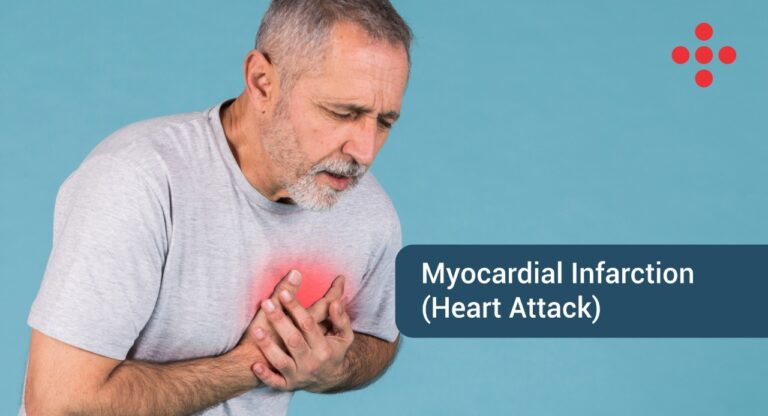
Heart attacks also known as myocardial infarctions.Heart attacks are caused by the blood supply to the heart being suddenly interrupted. Without this supply, heart muscles may be damaged and begin to die. These scenarios are frightening and life-threatening events that can strike suddenly and without prior warning. Understanding the main causes of heart attacks and taking proactive steps to prevent them is crucial for maintaining a healthy heart and a longer, more fulfilling life. In this article, we will delve into the primary causes of heart attacks and explore effective strategies for prevention.
Main Causes of Heart Attacks
Atherosclerosis:
One of the leading causes of heart attacks is atherosclerosis: the disease of the arteries, a condition characterized by the buildup of plaque in the arteries. Over time, this plaque narrows and hardens the arteries, restricting blood flow to the heart. If a plaque ruptures or a blood clot forms, it can block the blood supply to the heart muscle, leading to a heart attack.
High Blood Pressure:
Hypertension, or high blood pressure, puts excessive strain on the heart and arteries. Over time, this can weaken the heart and contribute to the development of atherosclerosis. Uncontrolled high blood pressure is a significant risk factor for heart attacks.
High Cholesterol:
Elevated levels of LDL (low-density lipoprotein) cholesterol in the bloodstream can contribute to the formation of plaque in the arteries. When plaque buildup occurs in the coronary arteries, it can increase the risk of a heart attack. Insulin resistance is killing the Western world. It’s the origin of heart attacks and stroke, blindness, diabetes, dementia and auto-immune diseases.
Smoking:
Smoking is a major risk factor for heart attacks. The chemicals in tobacco smoke can damage blood vessels severely, can as well promote the formation of blood clots, and decrease oxygen delivery to the heart.
Diabetes:
People with diabetes are at a higher risk of heart attacks. Elevated blood sugar levels can damage the blood vessels and nerves, increasing the likelihood of atherosclerosis and other heart-related complications.
How to Prevent Heart Attacks
Adopt a Heart-Healthy Diet:
Embrace a diet rich in fruits, vegetables, whole grains, lean proteins, and healthy fats. Limit saturated and trans fats, as well as excess salt and sugar intake. Incorporate foods like fatty fish, nuts, and olive oil, which can promote heart health.
Get Regular Exercise:
Physical activity is essential for maintaining a healthy heart. You should aim for at least 150 minutes of moderate-intensity aerobic exercise or 75 minutes of vigorous-intensity exercise each week. Exercise helps lower blood pressure, control weight, and reduce the risk of atherosclerosis.
Manage Stress:
Chronic stress can negatively impact heart health. Practice stress-reduction techniques such as meditation, deep breathing, yoga, or spending time in nature to lower stress levels and improve overall well-being.
Quit Smoking:
If you smoke, quitting is one of the most significant steps you can take to prevent a heart attack. Seek support from healthcare professionals or support groups to help you quit successfully.
Control Blood Pressure and Cholesterol:
Regularly monitor your blood pressure and cholesterol levels. Follow your healthcare provider’s advice on medications or lifestyle changes to manage these risk factors effectively.
Maintain a Healthy Weight:
Excess weight increases the risk of heart attacks. Achieve and maintain a healthy weight through a balanced diet and regular physical activity. It has been discovered that from scientific research that people with overweight or central obesity syndrome have a higher risk for heart disease.
Limit Alcohol Consumption:
While moderate alcohol consumption may have some heart benefits, excessive drinking can harm the heart and liver. Limit alcohol intake to recommended guidelines or consider abstaining from drinking altogether.
Heart attacks are often preventable by addressing the main causes and adopting a heart-healthy lifestyle. By making dietary changes, staying physically active, managing stress, and avoiding smoking and excessive alcohol consumption, you can significantly reduce your risk of experiencing a heart attack. Regular check-ups with a healthcare provider can help monitor your heart health and make necessary adjustments to your prevention plan. Prioritizing heart health today can lead to a longer, healthier life tomorrow, most importantly when you reduce salt intake in your meals, drink enough water and staying hydrated are ways to support our hearts and may help reduce long-term risks for heart disease.
–Written by Olumide Ishola
