
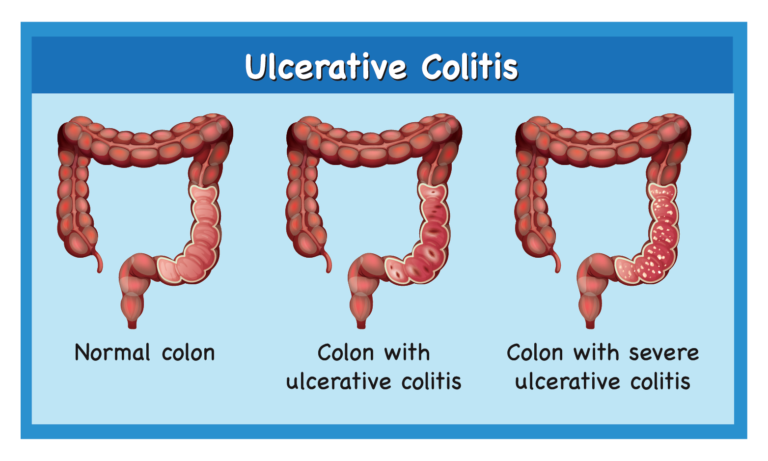
Ulcerative colitis (UC) is a chronic inflammatory bowel disease (IBD) that affects millions of people worldwide. This condition can have a profound impact on a person’s quality of life, causing a range of symptoms and complications. In this article, we will delve into the fundamentals of ulcerative colitis, its causes, symptoms, and explore various treatment options available to eradicate it in the digestive system.
What is Ulcerative Colitis?
Ulcerative colitis is an inflammatory bowel disease characterized by chronic inflammation and ulcers in the innermost lining of the large intestine (colon) and rectum. Unlike Crohn’s disease, which can affect any part of the digestive tract, UC primarily affects the colon. This inflammation results in a variety of symptoms, which can vary in severity from person to person.
Causes and Risk Factors of Ulcerative Colitis.
The exact cause of ulcerative colitis remains unknown, but several factors are believed to contribute to its development:
Genetics: There is a strong genetic component to UC, and individuals with a family history of IBD are at a higher risk of having it.
Immune System Dysfunction: The immune system plays a role in the development of UC. In those with the condition, the immune system mistakenly attacks the healthy tissues of the digestive tract.
Environmental Factors: Some environmental factors, such as diet, stress, and some certain harmful medications, may trigger or exacerbate UC symptoms.
Common Symptoms of Ulcerative Colitis:
The symptoms of ulcerative colitis can vary from one person to another but often include:
Diarrhea, sometimes with blood or pus.
Abdominal pain and cramping.
Rectal bleeding.
Urgent need to have a bowel movement.
Weight loss.
Fatigue &
Fever
Diagnosis of Ulcerative Colitis:
Diagnosing UC typically involves a combination of medical history, physical examination, and various medical tests. Common diagnostic methods include blood tests, stool tests, endoscopy (colonoscopy), and imaging studies (such as CT scans).
Treatment Options on UC.
Eradicating ulcerative colitis from the digestive system is not always possible, but there are several treatment options available to manage the condition effectively:
Medications:
*Anti-inflammatory drugs/Supplements to reduce inflammation.
*Immunosuppressants to control the immune system.
*Biologics, which target specific molecules involved in inflammation.
Lifestyle Modifications:
*Dietary changes to identify trigger foods must be identified.
*Stress management techniques.
*Regular exercise to promote overall health.
Surgery:
In severe cases or if medications fail to provide relief, surgery to remove the colon (proctocolectomy) may be necessary. This procedure is called an ileal pouch-anal anastomosis (IPAA) or ileostomy.
Living with Ulcerative Colitis:
Managing ulcerative colitis is a lifelong journey, and individuals with UC must work closely with their healthcare providers to find the most suitable treatment plan. Additionally, support from friends and family, as well as participation in IBD support groups, can be invaluable to the patient.
Ulcerative colitis is a chronic condition that affects the digestive system and can have a profound impact on a person’s life. While eradicating UC completely from the digestive system may not always be possible, effective management through medications, Supplements , lifestyle modifications, and, in severe cases, surgery, can significantly improve the quality of life for those living with the condition. Seeking early diagnosis and appropriate treatment is essential for long-term well-being for individuals with Ulcerative Colitis.
By Ayomide Smith.
